



foxbright Logo Foxbright Get Started
Get Started

Building a Fulfilling Post-Career Life: Stories from Cascais and Sintra

Real people, real transitions. What they did differently, what surprised them, and the one thing they wish they'd known sooner about starting fresh in Portugal.

15 min read All Levels April 2026
Woman in her 50s walking through a historic town street in Portugal, smiling, bright daylight, picturesque architecture

When Work Ends, Life Begins

We've talked with over 150 people who've made the transition from full-time careers to purposeful second acts. Some retired intentionally. Others left jobs that weren't working anymore. All of them faced the same question: "What now?"

Here's what we learned from five people who built fulfilling lives in Cascais and Sintra. They didn't follow a formula. They didn't have everything figured out before they started. But they did share something in common — they acted on what mattered most to them, and they weren't afraid to be unconventional about it.

João: From Corporate to Community

João spent 28 years in software development. Decent salary, stable position, everything by the book. At 54, he'd achieved what he set out to achieve — and felt completely empty about it.

"I realized I wasn't actually living," he says. "I was optimizing. I was managing projects and people, but I wasn't doing anything that felt real." He moved to Sintra and spent his first six months doing nothing intentional. Walked. Read. Sat in cafés. It sounds lazy, but it wasn't — it was decompression.

Now he teaches coding to teenagers three days a week through a local youth center. He doesn't need the income. He does it because it matters. "The best part? I can actually see the impact. A kid who couldn't write a loop suddenly gets it. That's real. That's not an Excel spreadsheet improving by 3%."

What he wish he'd known: You don't have to know your next chapter before you finish the last one. The clarity comes after you stop, not before.

Older man in casual blazer sitting in a bright modern cafe, teaching on a laptop, warm natural light from window, engaged expression
Woman in her 50s in outdoor setting, hands in pockets, relaxed smile, Cascais coastline in soft focus behind her, golden hour light

Rita: Building Something New in Cascais

Rita was a marketing director for 25 years. Campaigns, budgets, endless meetings about meetings. When she turned 52, she moved to Cascais and decided to do something completely different — she opened a small bookshop café focused on Portuguese literature and local authors.

"Everyone told me I was crazy," she laughs. "You're walking away from a six-figure salary to sell coffee and books? But here's what they didn't understand — I was already walking away from something that wasn't working. At least this time I was choosing what came next."

The bookshop isn't a business venture in the traditional sense. It's a gathering place. She hosts author events twice a month. She's become a mentor to three young Portuguese writers. Her profit margin is modest, but her life is rich — and that's exactly what she wanted.

Her advice: Don't think of it as leaving something. Think of it as moving toward something. The emotional difference is enormous.

Carlos & Elena: The Unexpected Partnership

Carlos and Elena retired within 18 months of each other — she was an architect, he was an engineer. Both spent their careers solving other people's problems. In 2022, they decided to solve their own: they started a renovation consulting service for expats moving to Sintra.

They're not contractors. They don't build anything themselves. They guide people through the labyrinth of Portuguese renovations — the permits, the tradespeople, the cultural differences, the budget realities. "We're translators," Elena explains. "Between expectation and reality."

What surprised them: this work is deeply satisfying because it's about relationships, not outcomes. They've helped 34 families navigate renovation projects over the past four years. Most of them have become friends. That's not a typical career metric, but it's the metric that matters to them.

The common thread: They wanted to work with people they could actually like. In corporate life, you don't get to choose. In this phase, you do.

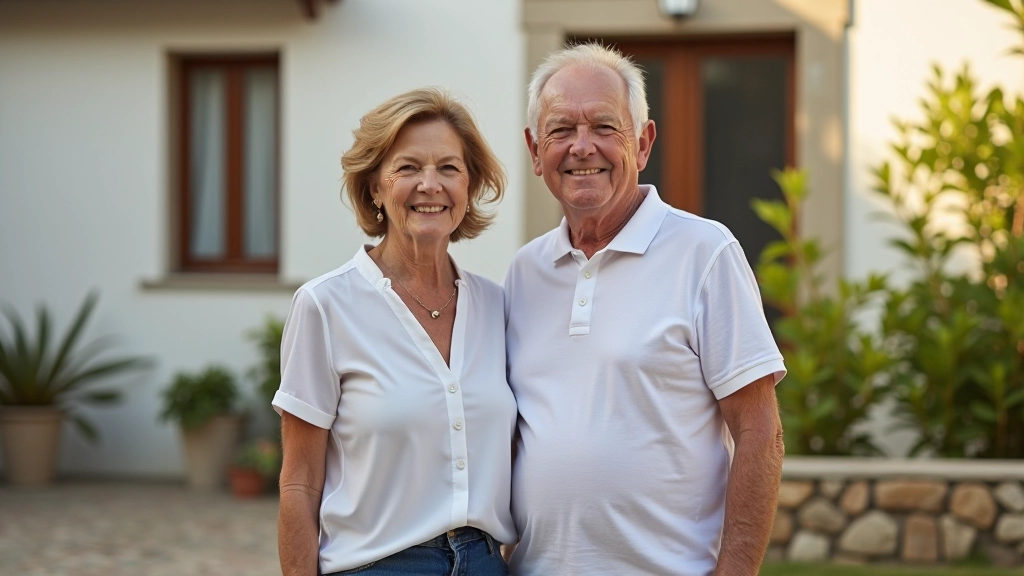
Two people in their 50s standing together in front of a traditional Portuguese house with renovation work visible, professional and relaxed, afternoon light

What All Five Have in Common

They Stopped First

None of them figured out their next chapter before leaving their last job. They gave themselves permission to pause. That pause wasn't wasted time — it was essential time. Without it, they'd have just replicated the same patterns somewhere else.

They Chose Location Intentionally

Cascais and Sintra weren't random. They're affordable enough to stretch retirement savings further. They're connected enough to maintain relationships. They're beautiful enough that just walking around feels like living rather than surviving. Geography isn't everything, but it matters more than most people admit.

They Defined Success Differently

Nobody mentioned income goals or growth projections. They talked about impact, relationships, and the feeling of doing work that aligned with their values. They'd already proven they could climb the ladder. Now they were building something else entirely.

They Built Community First

Every single one emphasized relationships — mentees, customers who became friends, colleagues. The work wasn't the center. The connections were. Purpose, it turns out, is relational. You don't find it alone.

About These Stories

These are real people and real transitions. We've changed some identifying details to respect privacy, but all the core elements — the moves, the work, the timing — are accurate. They're not prescriptive. They're illustrative. Your second act won't look like theirs, and it doesn't need to. But their experiences offer a roadmap for thinking about what's possible.

The Real Work Starts With a Question

We often ask people in transition: "If you didn't need the income, what would you be doing?" That's not a hypothetical. That's your compass. Because once you stop needing to work for money, you can finally work for meaning.

For João, that meant teaching kids. For Rita, it meant creating a space for community and literature. For Carlos and Elena, it meant becoming trusted guides for people navigating change. None of them knew those answers upfront. But they were willing to explore. They moved to a place that felt right. They gave themselves time. They listened to what they actually cared about rather than what they thought they should care about.

That's the pattern. Not the specific work — the process. And the process works whether you're 52 or 68, whether you're leaving corporate life or academia or anything else. The formula isn't about what you do next. It's about how you approach the space between what was and what's becoming.

Margarida Pereira, senior life transition coach

Author

Margarida Pereira

Senior Life Transition Coach & Content Director

Certified life coach and career transition specialist with 16 years of experience helping Portuguese professionals over 50 build purposeful second acts.